
Custom Jumpsuits With the Body and Leg Working Together
A jumpsuit connects two fit problems in one garment. A good-looking leg cannot compensate for a short torso, and a comfortable body can still feel wrong if the rise pulls when the wearer sits. The proportions need to be developed together.
ZT Sportswear works with clothing brands on custom jumpsuits. Share your silhouette, target wearer, and measurements so we can discuss the construction and materials for your collection.

Give the Torso Fit Its Own Measurements
Specify body length, shoulder-to-crotch measurements where relevant, rise, waist position, and leg shape. Explain whether the jumpsuit should be fitted, relaxed, or adjustable around the waist.
Show the neckline, sleeves or straps, entry opening, fastening, pockets, and hems. A garment needs to be practical to put on as well as comfortable to wear. Mark how the wearer enters the jumpsuit and review that detail during sampling.
Jumpsuit Directions for Your Brand
Start with the silhouette and intended use. Discuss the pattern and fabric requirements for the versions you need.
- Relaxed casual jumpsuits with an easy body and a balanced leg shape.
- Fitted jumpsuits with a defined waist and carefully measured torso proportions.
- Wide-leg jumpsuits with a deliberate rise, drape, and hem width.
- Utility-inspired jumpsuits with planned pockets, closures, and waist adjustment.
- Sleeveless jumpsuits with considered armholes, straps, and neckline coverage.
Send Your Jumpsuit Development Brief
Share front and back references, torso and leg measurements, fabric ideas, and the opening construction. Include branding, quantities, and delivery details. Tell us which movements and fit concerns the sample should be reviewed against.
Develop One Connected Fit
Review the full garment instead of approving the upper and lower sections separately.
1- Understand the intended silhouette
Discuss the wearer, occasion, fit, and styling. Explain how the jumpsuit should sit through the torso, waist, and leg.
2- Define the pattern and entry
Confirm measurements, waist placement, closures, and pocket layout. Identify the opening that allows the wearer to put the garment on.
3- Review fabric and pricing
Discuss drape, stretch, weight, trims, and decoration. Review the quotation against the complete design and requested quantities.
4- Check the sample through movement
Assess sitting, reaching, walking, and entry. Review torso length, rise, armholes, and leg proportions against the agreed chart.
5- Approve the final details
Record revisions to measurements, closures, waist treatment, and finish. Confirm the reference that will guide the bulk order.
6- Review garment construction
Check seam alignment, closure operation, pocket finishing, hems, and labels. Review decoration against the approved positions.
7- Finalize presentation and delivery
Agree on size identification, folding, and packing. Confirm shipment details for the destination and arrangement discussed with your team.
Jumpsuit Quantities and Quotation
Fabric, closures, sleeves, pockets, and waist construction influence the work involved. Send the whole garment specification so the quotation reflects both the upper and lower sections.
We will discuss applicable order requirements for the styles and colors you need. Include quantities by size and confirm sampling and production arrangements before you approve the order.
Choose Fabric for the Whole Silhouette
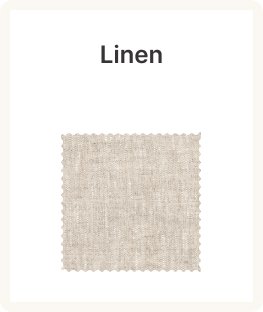
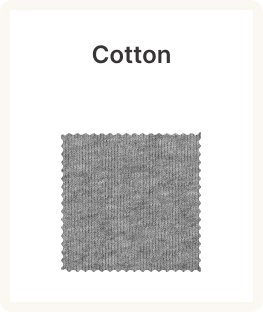
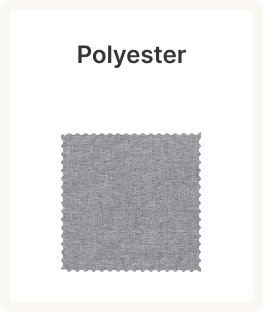
A jumpsuit's fabric affects the body, waist, and legs at the same time. A draping material creates a different result from a firmer woven construction. Stretch may also change how the garment fits and moves.
Describe the intended wearing feel, structure, coverage, and care direction. Review the material on the sample, particularly where the torso meets the waist and where the legs need room for movement.




Position Branding Around the Construction
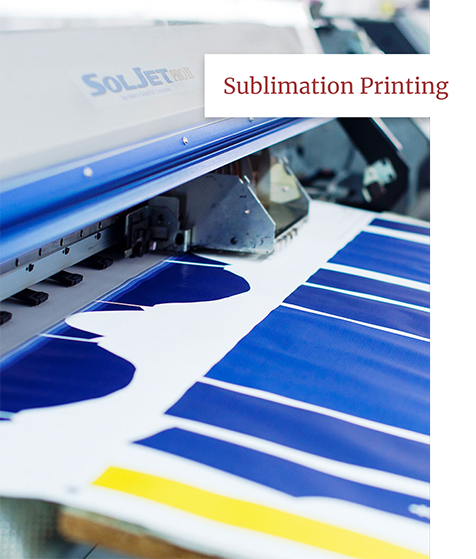
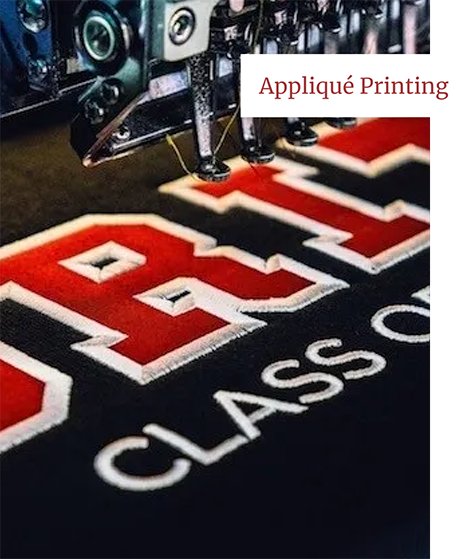
Chest decoration, sleeve marks, woven tabs, or smaller back details can be discussed according to your design. Show the artwork relative to pockets, closures, and seams.
Choose the method against the selected fabric and placement. We will discuss the finish during development, and the sample should show whether the decoration suits the garment's movement and overall appearance.







Private Labels and Product Presentation
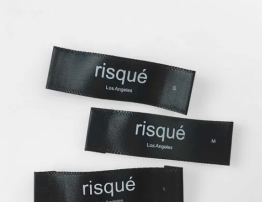
Include neck or waist labels, size information, care details, and hang tags in the brief. Label placement should suit the entry construction and internal finish.
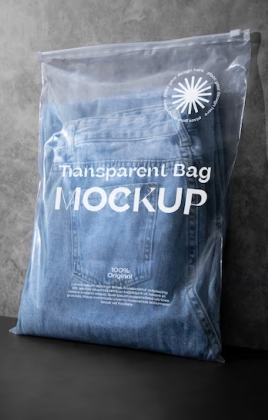
Tell us how the jumpsuits will be sold and handled. We can discuss folding, packing, and product identification that keep styles and sizes clear when the order reaches your stockroom or retail team.


Custom Jumpsuit Questions
Use these points to prepare the full garment specification.
1- Which measurements are especially important?
Include torso length, waist position, rise, hip, inseam, and leg opening. Show the measurement points and intended fit.
2- Can I choose the fastening position?
Mark the opening and closure in your drawings. We will discuss how it works with the neckline, waist, and garment entry.
3- Can the jumpsuit have an adjustable waist?
Send the belt, elastic, or drawcord reference. We will review the construction and its effect on the fit.
4- What fabric should I use?
Describe the drape, structure, stretch, and wearing conditions you want. Review the proposed material in the development sample.
5- How should I assess the sample?
Check getting into the garment, sitting, reaching, and walking. Review the torso and leg together against your size chart.
6- What do you need to quote production?
Send the complete design, measurements, materials, trims, branding, and quantity breakdown. Include the destination and sample requirements.
