
Branded Event Clothing People Can Wear With Confidence
Your event clothing has a job to do. Staff need to be recognizable, participants need to move comfortably, and your logo needs to read clearly in photographs. The right choice starts with the setting and the people wearing it.
ZT Sportswear works with event organizers, agencies, and brands on custom event apparel. Bring us your artwork, wearer groups, and event brief so we can discuss suitable garment options.

Design Around the Event and the Wearer
Tell us whether the clothing is for an outdoor activation, an indoor exhibition, a team gathering, or a participant giveaway. Fit and fabric should reflect the conditions, the length of wear, and the tasks involved.
Separate staff, volunteers, and participants in your brief if they need different colors or markings. Plan front and back logo positions, sponsor hierarchy, and any role identification before artwork is approved.
Event Apparel Options for Your Brief
Choose clothing that makes sense for the event rather than adding styles simply to fill a package. Discuss availability and construction for the options you need.
- Branded T-shirts for participant packs, promotional activity, and everyday event wear.
- Staff polo shirts for exhibitions, registration desks, and customer-facing teams.
- Lightweight tops for active events where movement and comfort guide the specification.
- Sweatshirts or hoodies for cooler settings and clothing intended for use after the event.
- Coordinated crew clothing with clear color and role identification across wearer groups.
Give Us the Event Details
Send the event date, venue conditions, garment ideas, artwork, and quantities by wearer group. Add your delivery destination and size information. If the order needs separate packing for teams or locations, include that requirement in the first inquiry.
Plan the Clothing Before Event Day
Event apparel works best when artwork, wearer groups, and distribution are considered together.
1- Define who needs clothing
List the staff, volunteers, participants, or guests receiving garments. Identify where their fit, visibility, and presentation requirements differ.
2- Choose the garment direction
Discuss the styles, fabric feel, colors, and measurements. We use the event setting to guide the conversation about suitable clothing.
3- Prepare the quotation
Confirm quantities, decoration, labels, and packing requirements. Pricing is based on that brief rather than a garment name alone.
4- Review artwork and samples
Check logo readability, sponsor order, garment fit, and color direction. Resolve artwork or measurement changes before approving production.
5- Approve the final order breakdown
Confirm each style, color, size, and wearer group. Keep the event date and required delivery arrangements visible in the approved brief.
6- Check garments and identification
Review the agreed decoration, labels, and size markings. Clear identification matters when different roles or participant groups receive different garments.
7- Confirm delivery and distribution
Discuss shipment details and how the clothing should be grouped. Packing instructions should support your event team when the order arrives.
Price the Full Event Requirement
Share the total quantity and its split across styles, sizes, colors, and designs. A staff polo and a participant shirt may have different decoration and packing needs even when they belong to the same event.
We will discuss the applicable quantities and pricing for your brief. Confirm the event schedule early so production and shipping arrangements can be considered before the order is approved.
Match the Fabric to the Setting
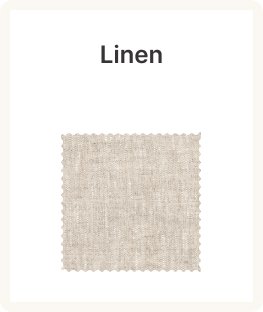
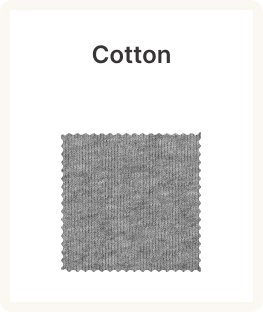
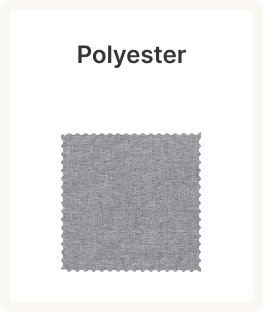
An indoor exhibition shirt and an outdoor activity top do not need the same feel. Discuss breathability, coverage, softness, movement, and how long the garment is likely to be worn.
Cotton-based fabrics and performance-oriented blends create different results, so choose against the event brief rather than a generic fabric label. Tell us if the clothing is intended as a keepsake, workwear for the crew, or a lightweight giveaway.




Make the Branding Easy to Read
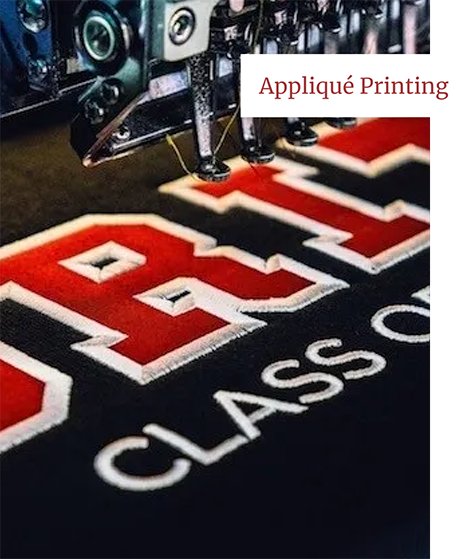
Provide clear logo files and show the order of importance for event branding, sponsors, and role names. Artwork that looks good on a screen may need adjustment to read well on a moving person.
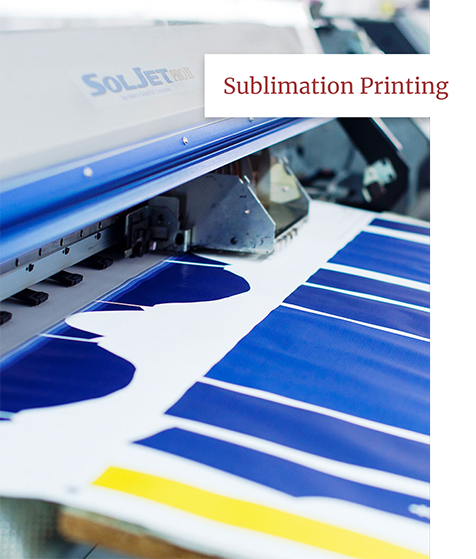
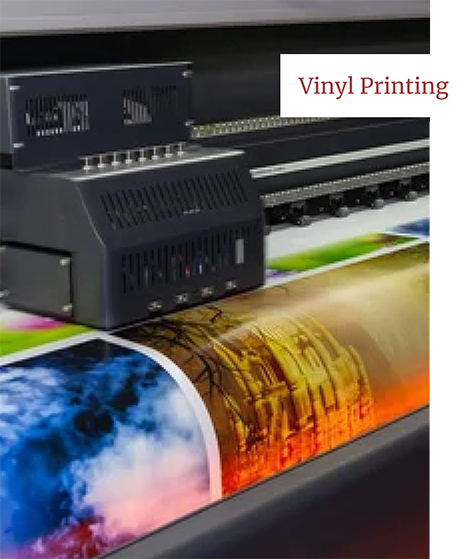
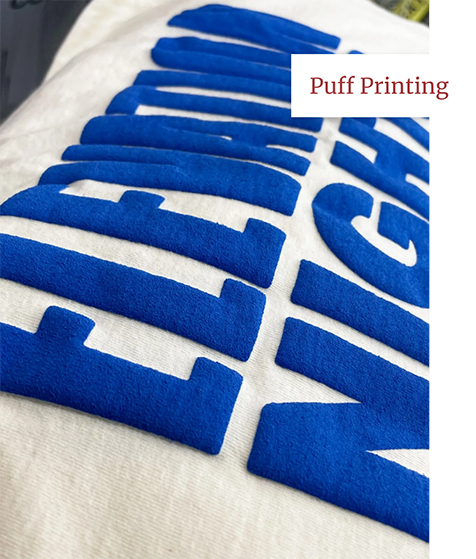
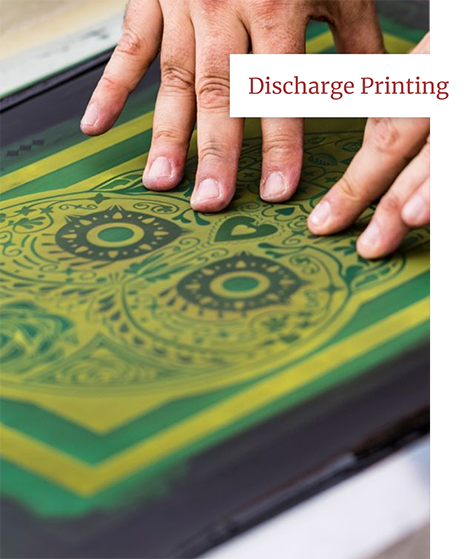
We will discuss printing or embroidery according to the garment and design. Review placement, contrast, and scale before approving the finish, especially when the same artwork is used across different sizes.




Pack for the People Receiving the Clothing
Event distribution can become difficult when sizes and roles are mixed together. Include the labeling and grouping you need, such as staff sizes kept separately from participant clothing.
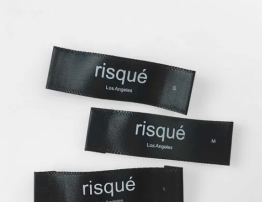
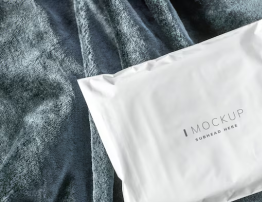
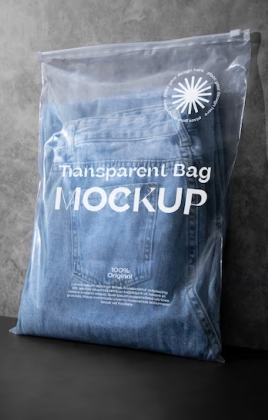
Discuss branded labels, size stickers, hang tags, or individual packing where they serve the event. Your final packing instructions should identify what each group receives and how your team expects to hand it out.

Questions About Event Clothing
Use these questions to prepare a more accurate event apparel inquiry.
1- Can different staff roles use different colors?
Include each role, color preference, and quantity in your brief. We will discuss the garment and artwork options for that breakdown.
2- Which fabric should I choose for an outdoor event?
Describe the weather, activity level, and expected wearing time. Those details help us discuss comfort, coverage, and suitable material options.
3- Can the clothing include multiple sponsor logos?
Send the approved artwork and placement priorities. We will review logo size, spacing, and decoration requirements against the selected garments.
4- Can I review a sample before the main order?
Discuss sampling at the quotation stage. Use the sample to check garment fit, artwork scale, and the finish you expect.
5- What quantity information do you need?
Provide totals by style, color, size, and wearer group. Note any separate designs so pricing reflects the full requirement.
6- What should I send if the event date is fixed?
Send the event date and required arrival date with the delivery destination. We will discuss feasible production and shipping arrangements before approval.
