
Custom Briefs With Fit at the Center
Briefs need to sit comfortably through everyday movement. The waistband, leg opening, rise, and front construction work together, so a change in one area can affect the rest of the garment. Start with the wearer and the coverage you want.
ZT Sportswear works with underwear brands and wholesale buyers on custom briefs. Share your references, size requirements, and material preferences to begin a practical development discussion.

Specify More Than the Waist Measurement
Define the front and back rise, hip coverage, side depth, and leg opening. Tell us how close the fit should be and whether the brief belongs in an everyday, fashion, or active collection.
Discuss the waistband height, edge treatment, seam positions, and front or gusset construction appropriate to the design. Use diagrams to show measurement points, including whether measurements are taken relaxed or under an agreed stretch.
Brief Styles for Your Collection
Choose a clear coverage and fit direction before selecting decorative details. These are starting points for discussing the pattern and construction.
- Classic everyday briefs with balanced front and back coverage.
- High-rise briefs with a higher waistband position and additional body coverage.
- Low-rise briefs with a lower waist placement and considered leg openings.
- Wide-side briefs with a deeper side section and a more substantial silhouette.
- Active briefs developed around movement, fabric recovery, and the intended fit.
Share Your Briefs Specification
Send front and back references, your measurement chart, wearer information, and fabric direction. Include waistband and branding ideas, quantities by size and color, and delivery details. Mark the fit features that matter most to your customer.
Develop Underwear Through Clear Sample Feedback
The construction and materials should support the same fit brief throughout the process.
1- Understand the collection
Discuss the intended wearer, level of coverage, and product positioning. Explain what the brief needs to feel like during wear.
2- Define the garment measurements
Confirm rise, waist, hip, sides, and leg openings. Agree on measurement methods so the pattern and fit feedback remain comparable.
3- Review materials and quotation
Discuss the main fabric, elastic, front or gusset details, labels, and packaging. Pricing reflects the complete specification and quantity breakdown.
4- Evaluate the sample
Check the sample against your size chart and fit requirements. Review waistband comfort, coverage, leg tension, and the position of seams.
5- Approve the final construction
Record changes to measurements, fabric, elastic, and finishing. Confirm the details that will guide the bulk order.
6- Check sewing and identification
Review seam finishing, elastic attachment, symmetry, and labels against the approved sample. Confirm the decoration matches the agreed placement.
7- Arrange packing and shipment
Discuss how the briefs should be grouped and identified. Confirm individual presentation, size markings, and the delivery arrangement for your order.
Briefs Pricing Based on Your Design
Material, waistband construction, seam details, decoration, and packing influence cost. A basic brief and a branded elastic style should be quoted against their own specifications.
Send the quantities you are considering by style, size, and color. We will discuss the applicable order requirements and explain the sampling and bulk pricing arrangements.
Match Fabric Stretch to the Intended Fit
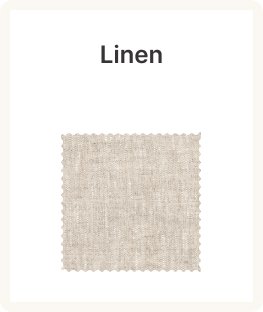
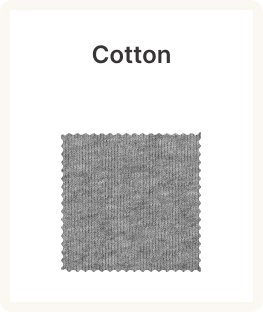
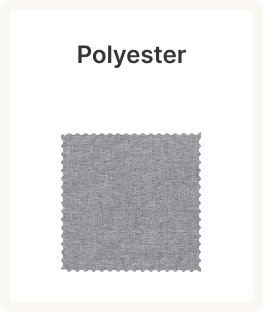
The main fabric and elastic need to work together. Discuss softness, stretch, recovery, opacity, and the intended wearing conditions instead of choosing on composition alone.
Include the front lining or gusset material where the design requires one. Review the proposed fabric combination in the sample and use fit feedback to assess how the waistband and leg openings behave. Confirm the care direction alongside the final materials.




Branding Without Unnecessary Bulk
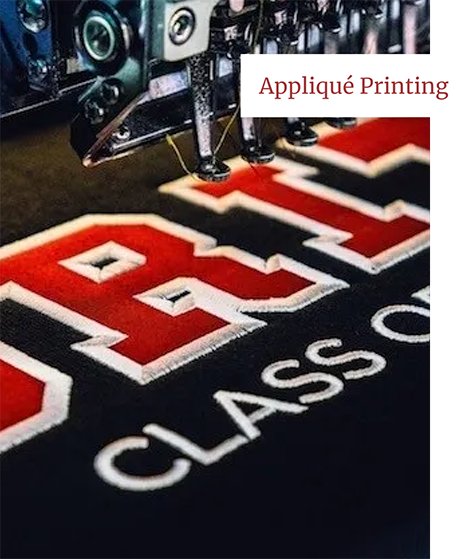
Your identity can come through a waistband design, a small logo, a woven tab, or a consistent color palette. Choose the placement with the close fit of underwear in mind.
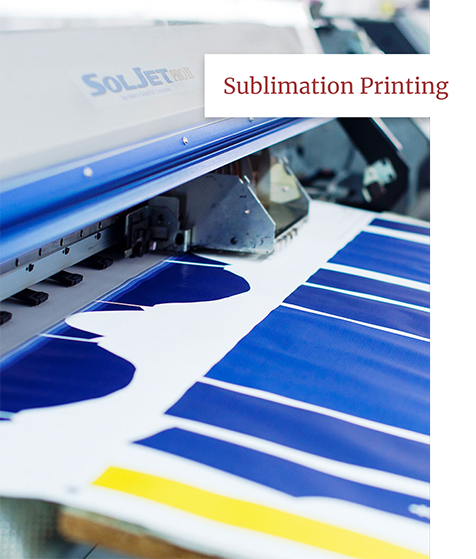
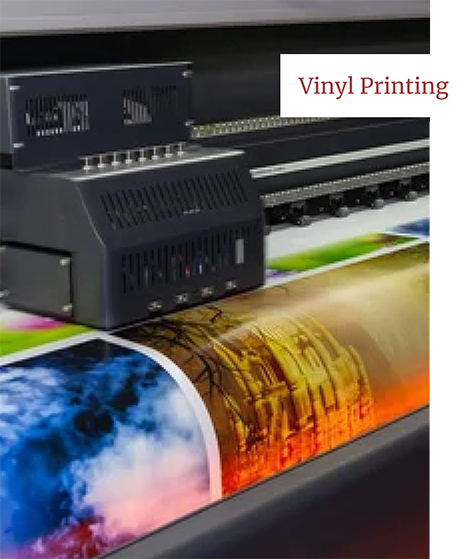
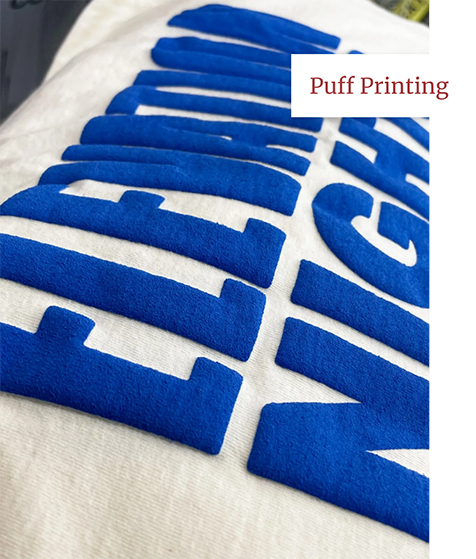
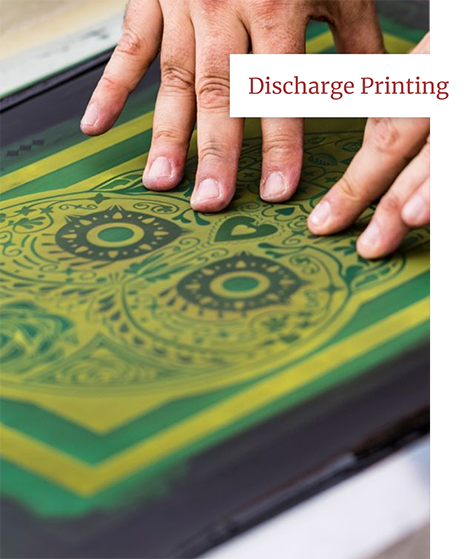
Send clear artwork and identify the proposed decoration method if you have one. We will discuss suitability against the fabric and construction. Assess the finish for appearance and contact comfort during sampling.




Private Label Details for Your Underwear Brand
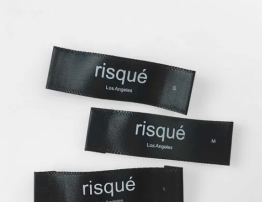
Plan the brand label, size information, care details, and packaging together. A well-placed label should be readable without creating an uncomfortable contact point.
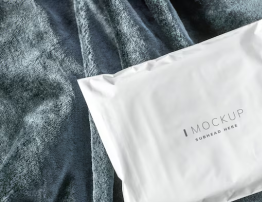
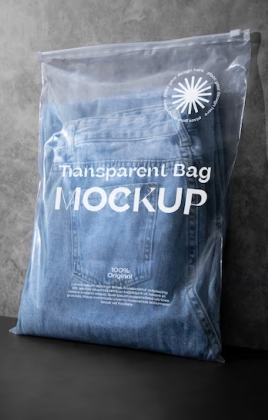
Tell us whether your briefs will be sold singly, grouped by color, or coordinated with another garment. Discuss packing and product identification around that format so the order suits your stock and retail requirements.

Custom Briefs Ordering Questions
These questions help establish the important underwear details.
1- Can I develop a specific coverage level?
Share drawings and measurements showing the rise, back coverage, side depth, and leg shape. We will discuss the pattern around that brief.
2- How do I choose the fabric?
Tell us the desired feel, stretch, recovery, and wearing conditions. Review the proposed material with the elastic and garment construction.
3- Can the waistband use my brand name?
Send the artwork, preferred width, and construction reference. We will discuss the branding options and their development requirements.
4- What should I check on the sample?
Assess waist and leg tension, coverage, seams, and front or gusset construction. Compare the garment with your agreed size chart.
5- How are quantities and prices confirmed?
Provide the style, color, size breakdown, and total volume. We will confirm requirements and pricing for the selected materials and trims.
6- Can I specify individual packaging?
Include the format, artwork, and identification requirements in your inquiry. Packing details should be agreed before the production order is finalized.
