
Custom Cargo Trousers With Pockets That Make Sense
Cargo pockets change the shape of a trouser as well as its function. Their size, depth, and position can add bulk, affect movement, or become the main feature of the design. Decide what they need to do before choosing the details.
ZT Sportswear works with clothing brands on custom cargo trousers. Bring us your silhouette, pocket references, and target wearer so we can discuss a practical development brief.

Balance the Leg Shape With the Pocket Layout
Define the rise, seat, thigh, knee, and hem measurements. Tell us whether the trousers should look structured, relaxed, tapered, or wide. The cargo pockets need to sit naturally within those proportions.
Specify the waistband, fly, belt loops, pocket flaps, and closures. Mark pocket positions from fixed measurement points. If you want drawcord hems or elastic sections, include those details in the first reference rather than adding them after sampling.
Cargo Trouser Directions for Your Collection
Use your customer and intended use to choose the starting shape. We can discuss fabric and construction around these directions.
- Straight-leg cargo trousers with a balanced silhouette and defined side pockets.
- Relaxed cargo pants with extra room through the seat and thigh.
- Tapered cargo trousers with a narrower lower leg and controlled pocket volume.
- Wide-leg cargo pants with proportioned patch pockets and a deliberate hem opening.
- Elastic-waist cargo styles with an adjustable fit and casual finishing details.
Show Us the Cargo Details You Want
Send the fit reference, pocket drawings, fabric direction, and size chart. Include your closure preferences, branding, quantities, and delivery destination. Tell us whether the pockets are mainly a styling feature or need to carry particular everyday items.
Develop the Cargo Construction Step by Step
A cargo sample should be checked for pocket access and movement as well as appearance.
1- Review the wearer and use
Explain how the trousers will be worn and styled. We discuss the desired shape, pocket function, and position in your collection.
2- Define measurements and pockets
Agree on the fit measurements, pocket dimensions, flap shape, closures, and placement. Drawings help remove ambiguity from a complex pocket layout.
3- Confirm fabric and pricing
Discuss fabric weight, texture, trims, and branding. The quotation reflects the pocket construction and the quantities you need.
4- Try the sample in movement
Check sitting, walking, bending, and reaching into pockets. Review whether loaded pockets pull the garment away from the intended shape.
5- Approve fit and construction
Record any changes to pocket position, volume, measurements, and closures. Confirm the sample details that should carry into bulk production.
6- Check the finished details
Review pocket symmetry, stitching, closure operation, waistband finishing, and hem treatment against your approved specification.
7- Plan identification and delivery
Confirm labels, size markings, packing, and shipping details. Include any requirements for separating styles or colorways in the finished order.
Understand What Drives Cargo Trouser Cost
More pockets usually mean more construction details to specify. Pocket layers, flaps, closures, reinforcement, waistband construction, and finishing all affect the quotation.
Send your quantity breakdown by size, color, and style. We will discuss the applicable order requirements and any material or trim considerations before you approve the production brief.
Pick a Fabric That Supports the Shape
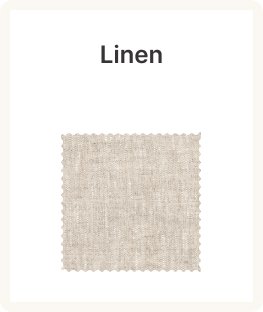
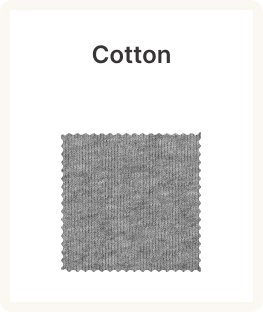
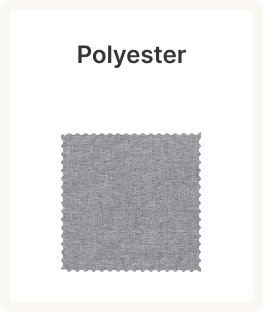
A crisp woven fabric gives cargo pockets a different profile from a softer, lighter material. Think about the drape, surface texture, weight, and movement you want before choosing a fabric direction.
Discuss cotton-based twills, blends, or other suitable woven options with us against your design. If stretch is part of the brief, review how it interacts with the pocket construction and intended fit in the sample.




Keep Cargo Branding Deliberate
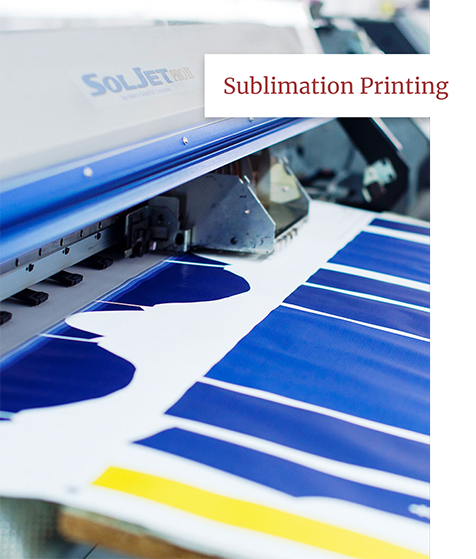
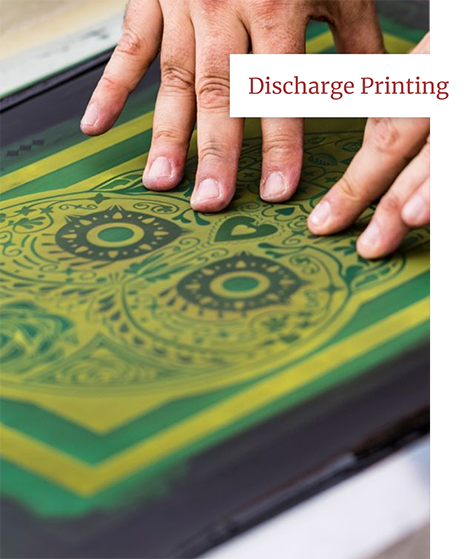
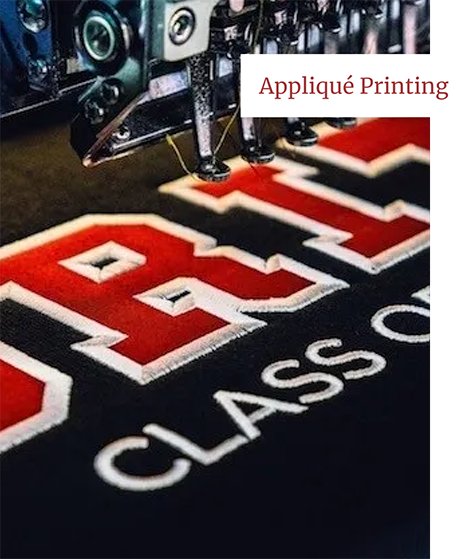
A woven pocket tab, embroidered mark, printed panel, or branded trim can carry your identity without competing with the pocket layout. Show the intended location on your drawing.
We will discuss decoration against the selected fabric and construction. Review any artwork near pocket flaps or seams so the finished mark remains visible and does not interfere with access or fastening.






Labels and Packing for Your Cargo Range
Include waistband labels, size identification, care information, and hang tags with your other trim decisions. Label placement should work with the waistband and internal seam finishing.
Tell us how the trousers will reach your customer or stockroom. We can discuss folding, individual packing, and style identification around the way you plan to sell and distribute the range.


Cargo Trouser Development Questions
Settle the pocket and fit requirements before moving to production.
1- Can I design my own cargo pocket layout?
Send drawings showing the pocket sizes, positions, flaps, and closures. We will discuss how the layout works with the trouser pattern.
2- Which measurements matter most?
Include waist, hip, rise, thigh, knee, inseam, and hem opening. Pocket dimensions and placement need their own measurements.
3- Can the trousers use an elastic waistband?
Include the waistband reference and desired adjustment in your brief. We will review construction and fit with the chosen fabric.
4- How do I choose the cargo fabric?
Start with the desired shape, weight, and wearing conditions. We will discuss material options and check the result through sample development.
5- Can I add private labels and branded trims?
Send artwork, placement notes, and trim references. Include these in the quotation request so the full design can be considered.
6- What should I check before sample approval?
Check fit while sitting and walking, pocket access, flap position, closures, and hem shape. Record revisions against the agreed measurements.
