
Custom Compression Shirts With a Defined Fit
A close-fitting shirt should be developed around the wearer and activity, not a broad performance label. Chest tension, body length, sleeve shape, and seam placement all affect how it feels through movement.
ZT Sportswear manufactures custom compression shirts for fitness and sportswear brands. Share your size chart, fabric direction, and intended use so we can discuss the fit, coverage, and construction you want for your collection.
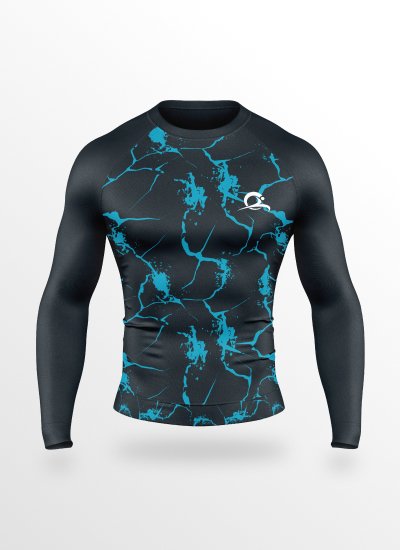
Map the Body, Sleeves, and Seam Routes
Specify chest, waist, hem, body length, sleeve length, and opening measurements. Explain the intended stretch fit and how the chart should be measured. A fitted garment needs clear reference points.
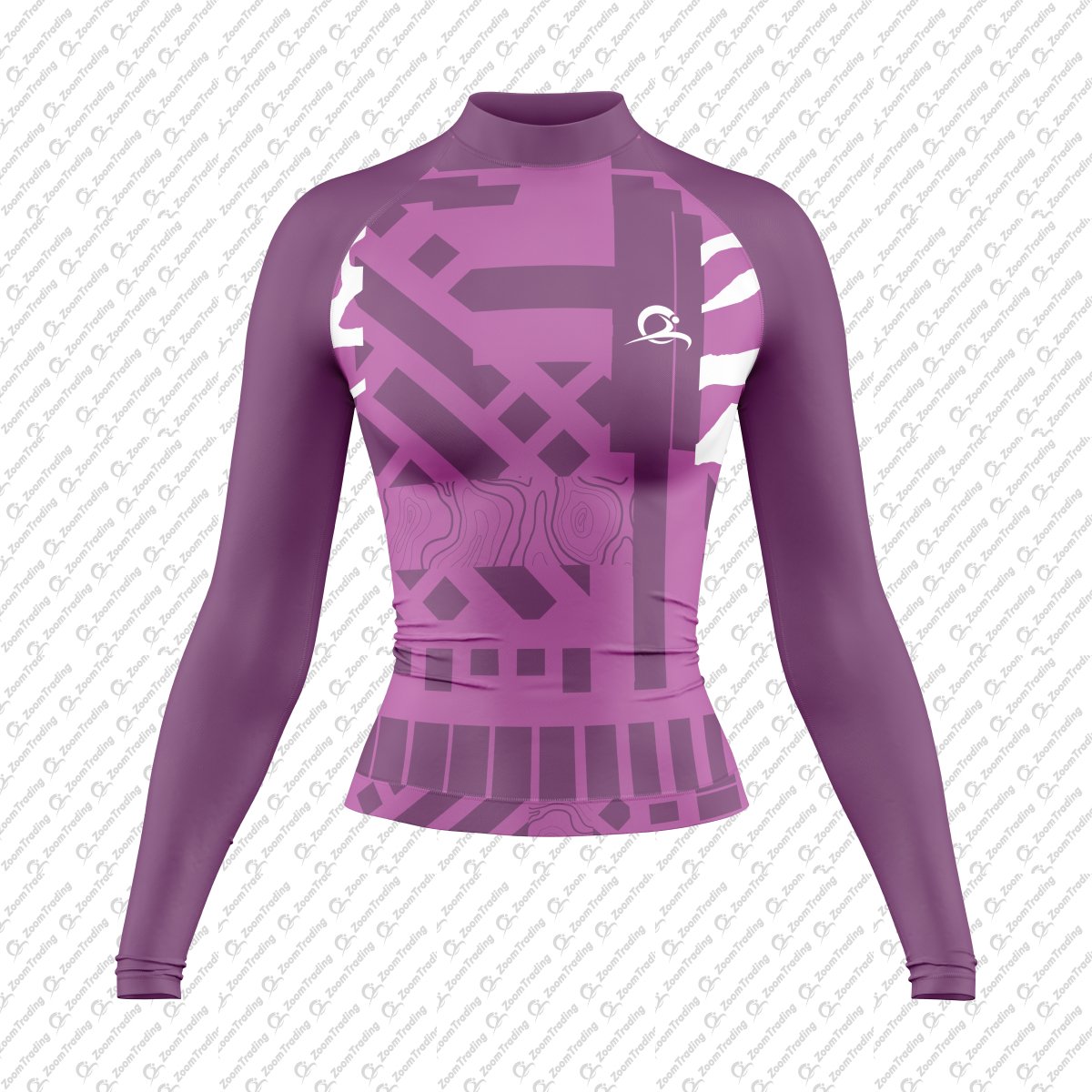
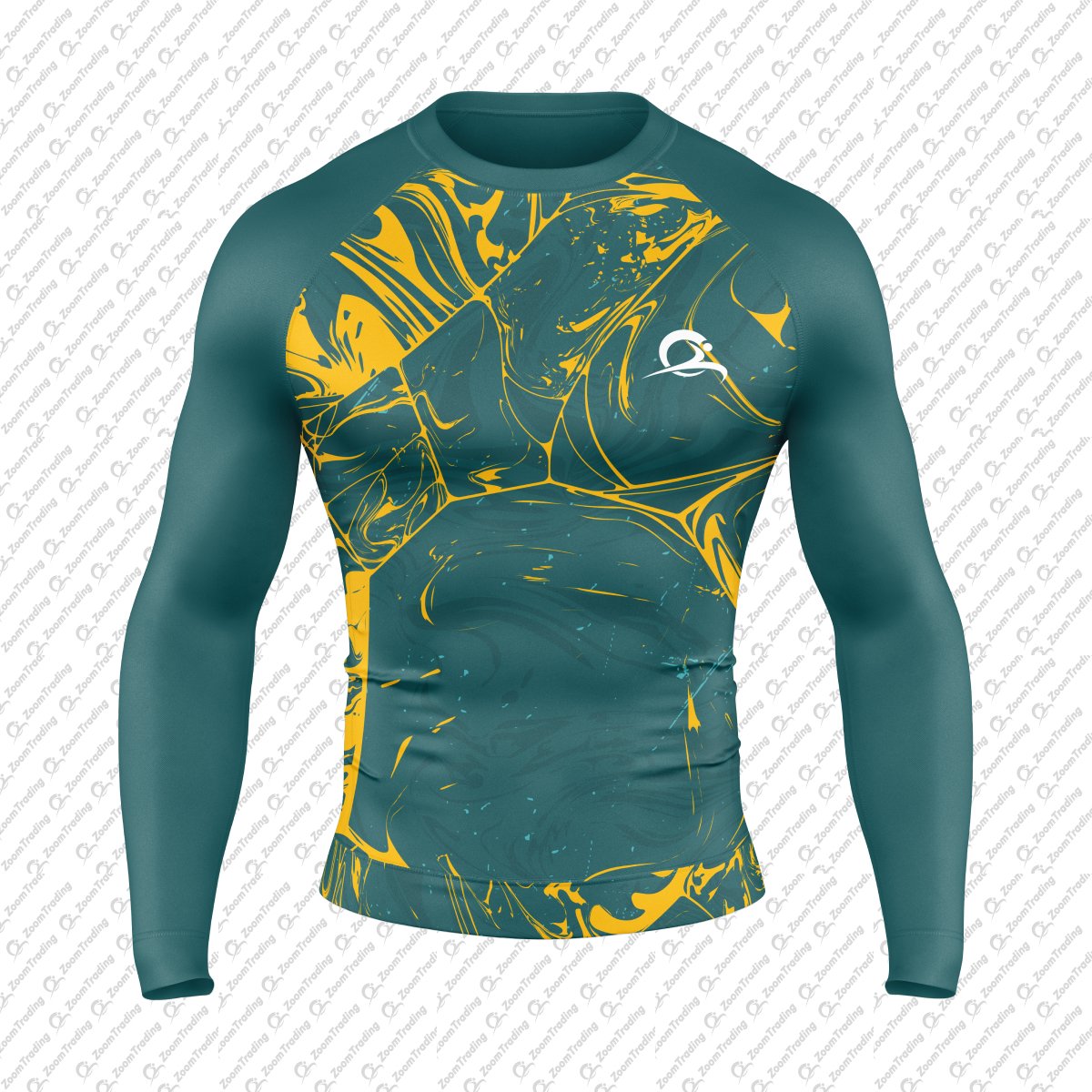
Mark the neckline, shoulder or raglan construction, underarm panels, and seams. Tell us where you want to reduce contact or bulk. Review the sample during the relevant training movements and check how the hem and sleeves sit.
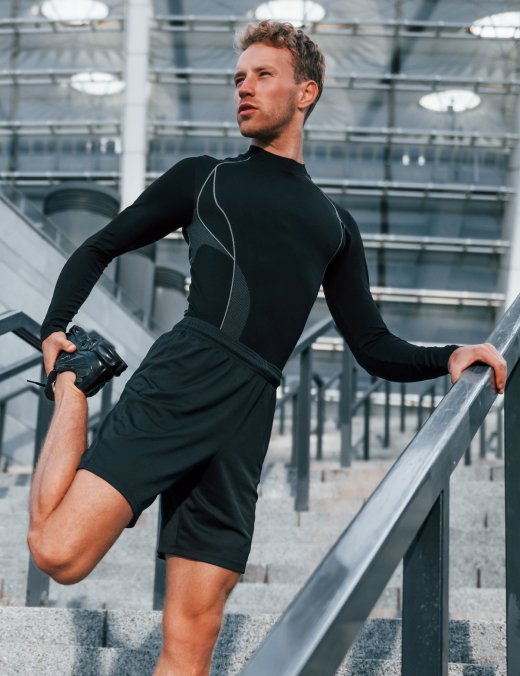
Compression Shirt Styles to Develop
Choose the coverage and construction that fit your customer's training needs.
- Short-sleeve compression shirts with a defined body and upper-arm fit.
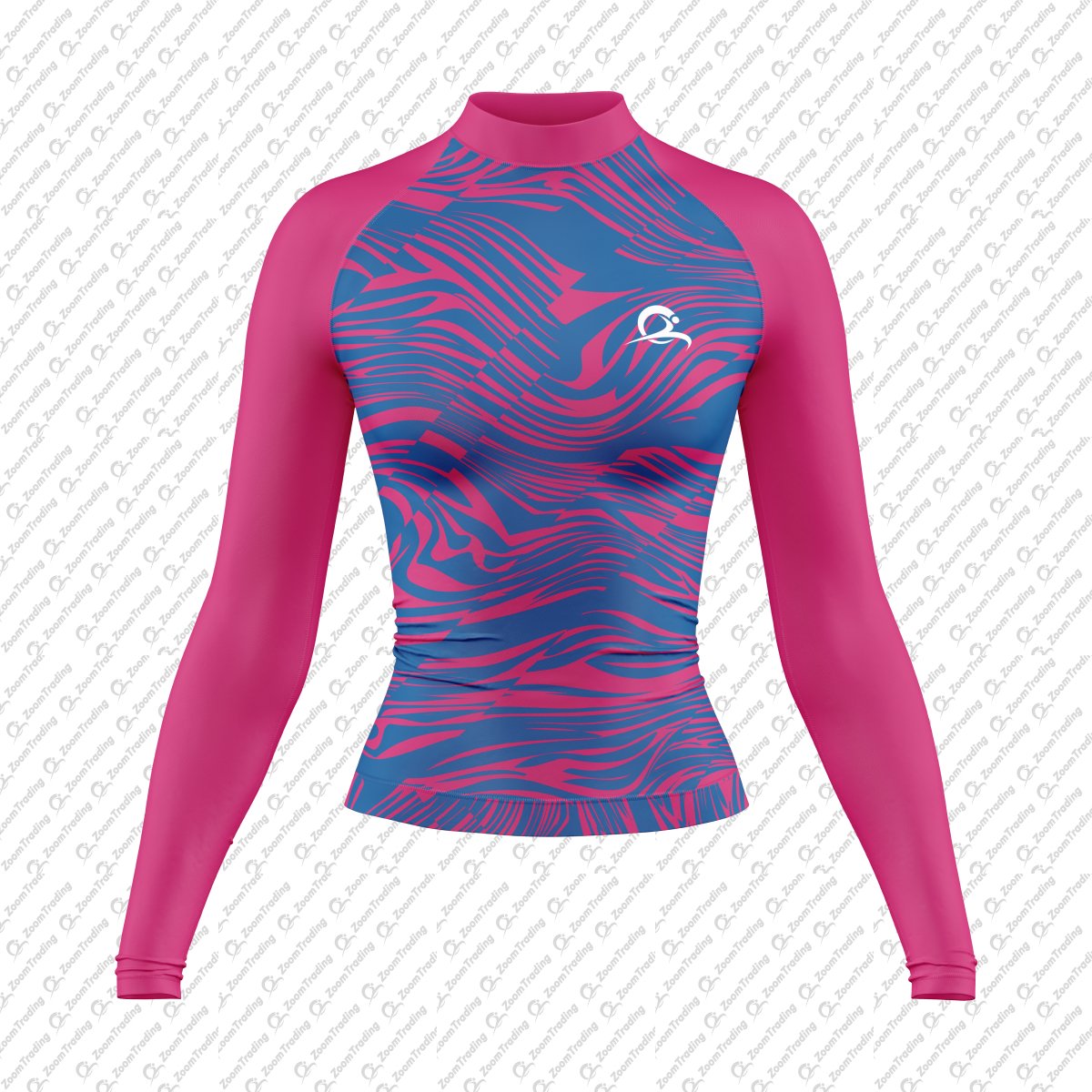
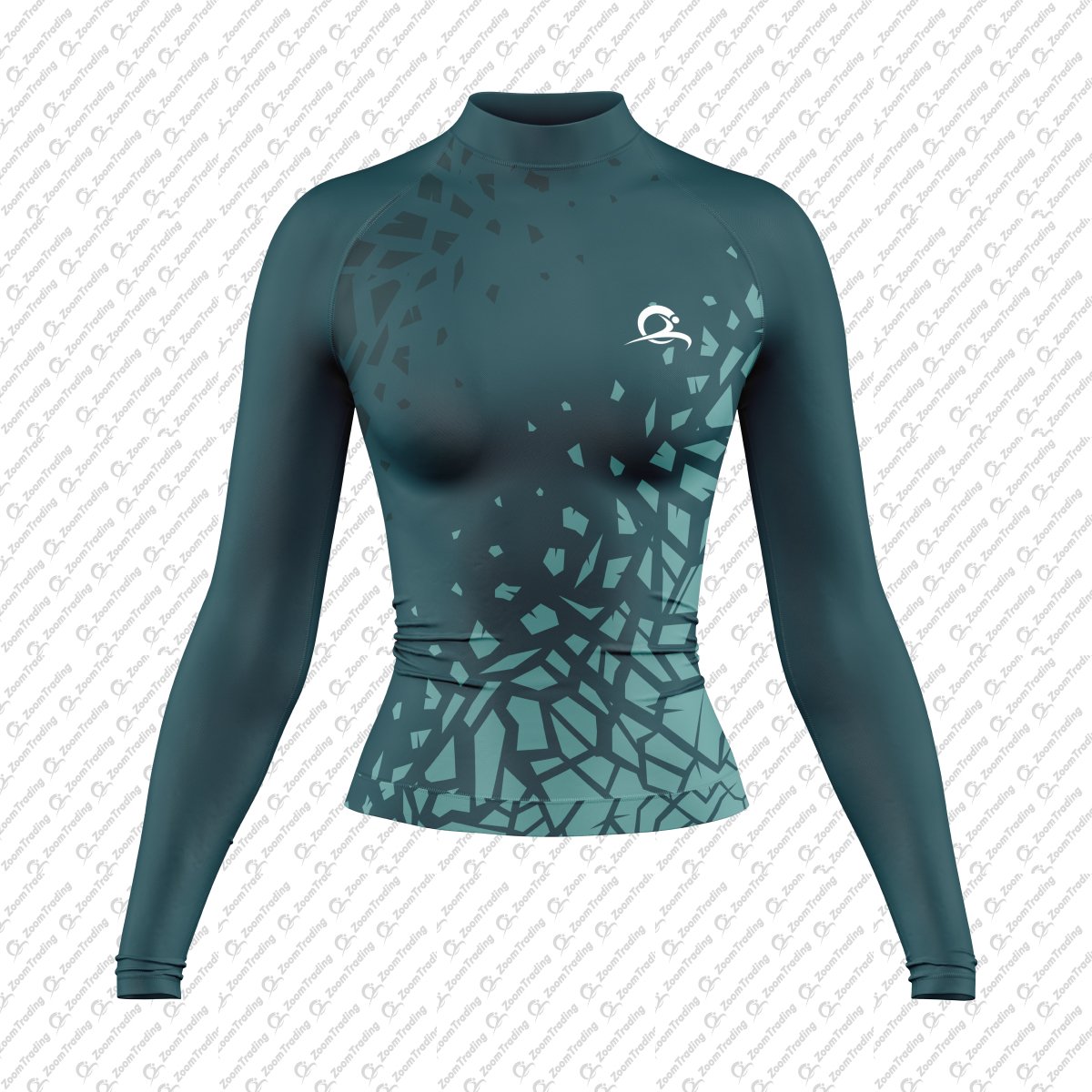
- Long-sleeve compression tops with carefully measured wrist openings.
- Sleeveless compression shirts with armholes and shoulder coverage specified.
- Base-layer shirts developed around close fit and the intended outer clothing.
- Panelled training shirts with seam routes and material combinations defined in the brief.
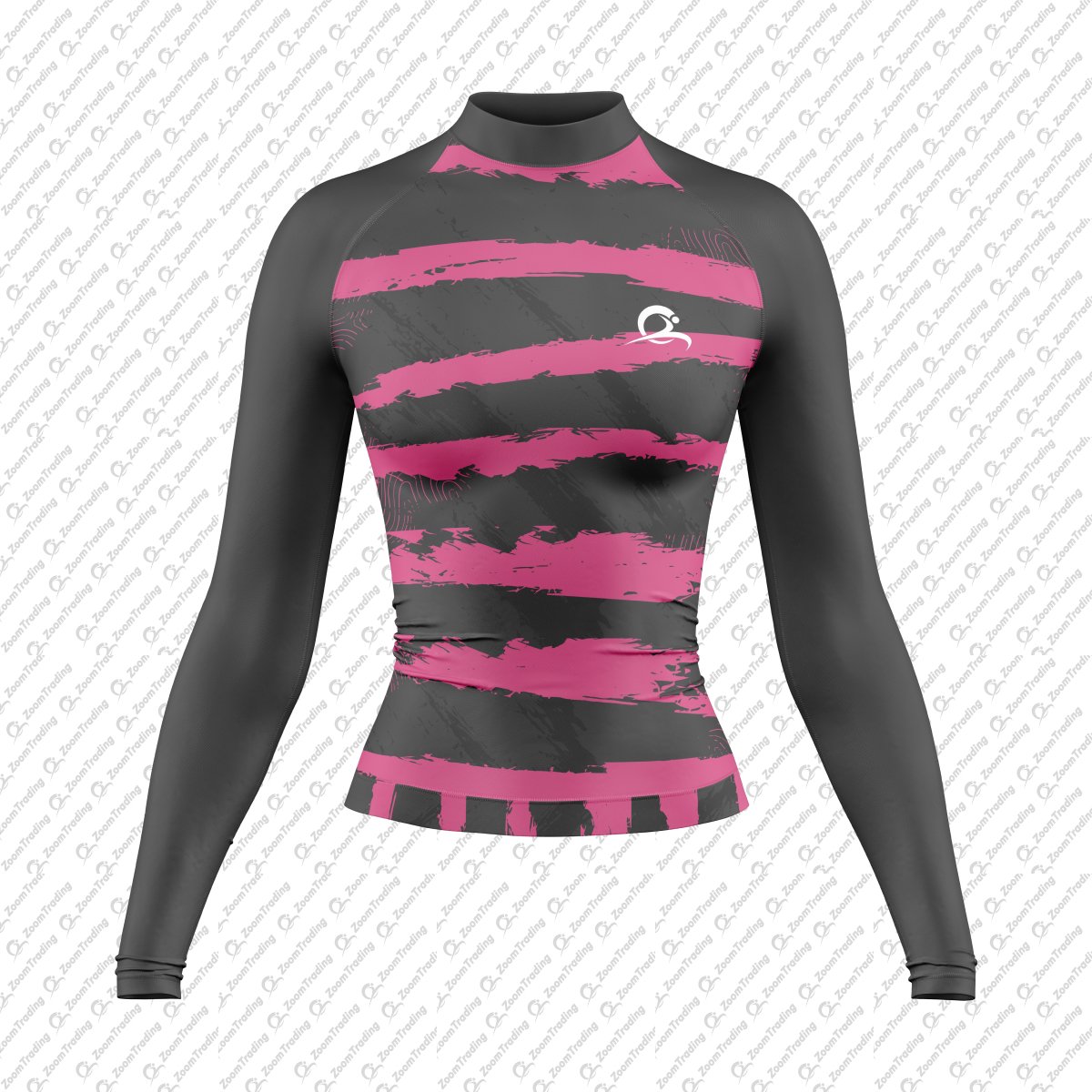
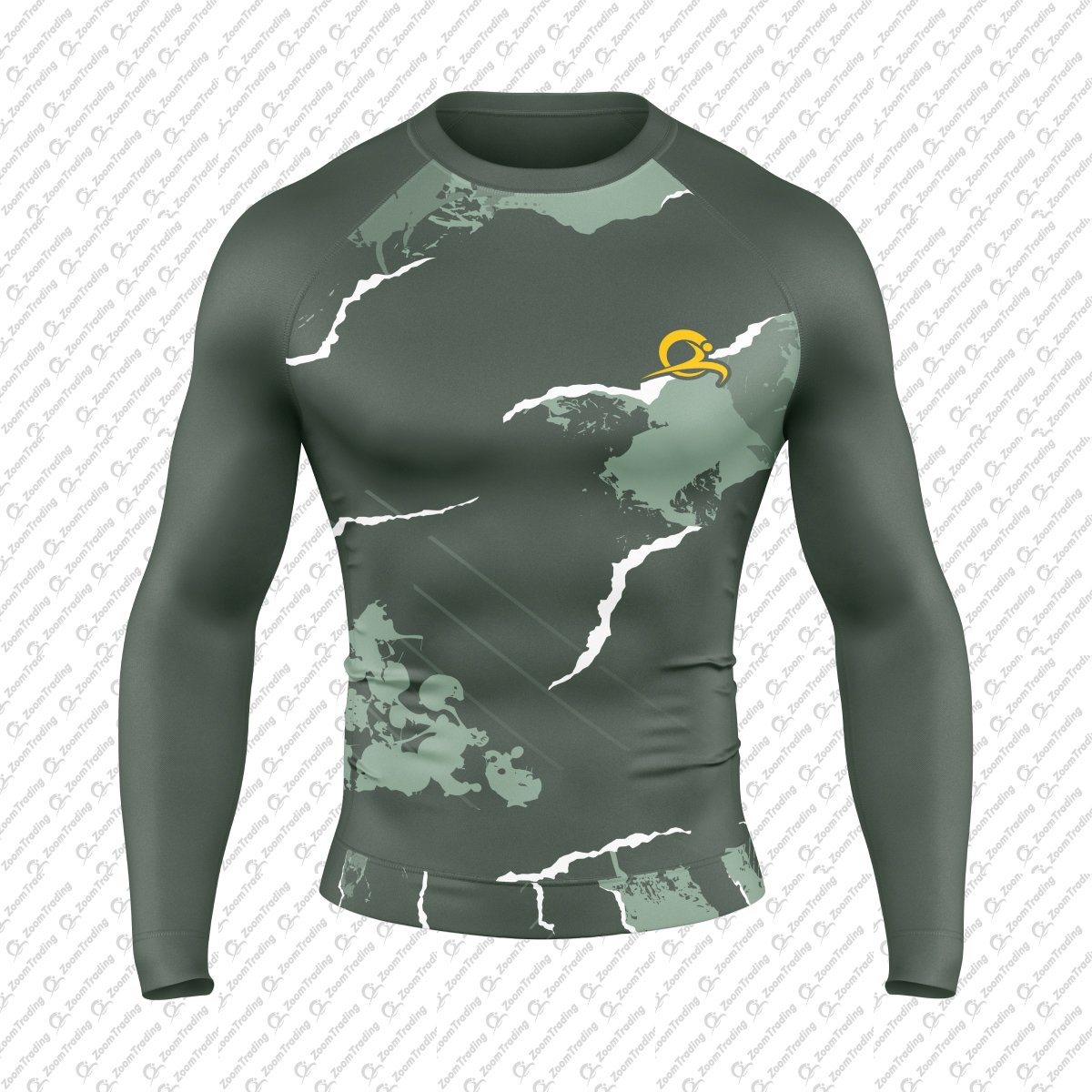
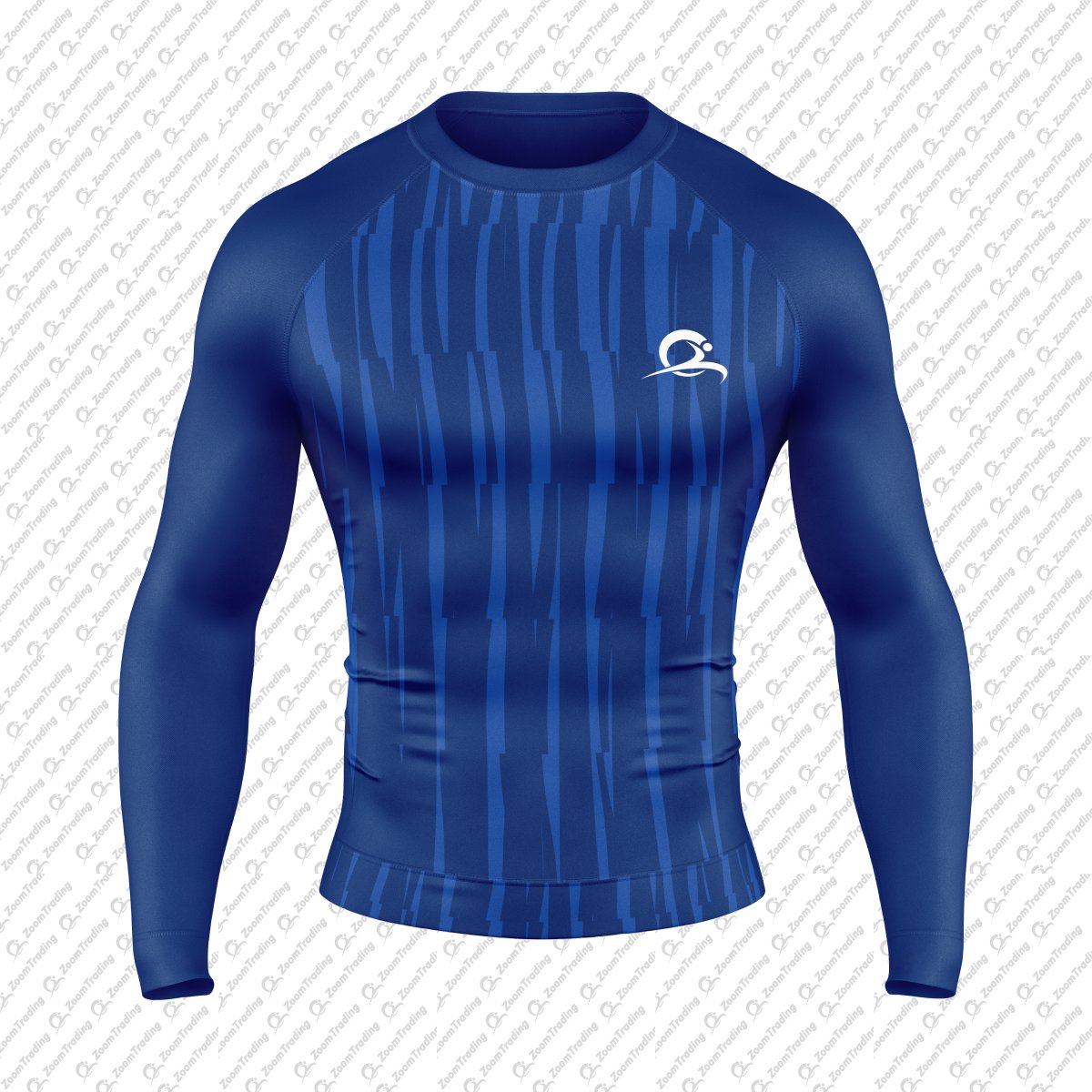
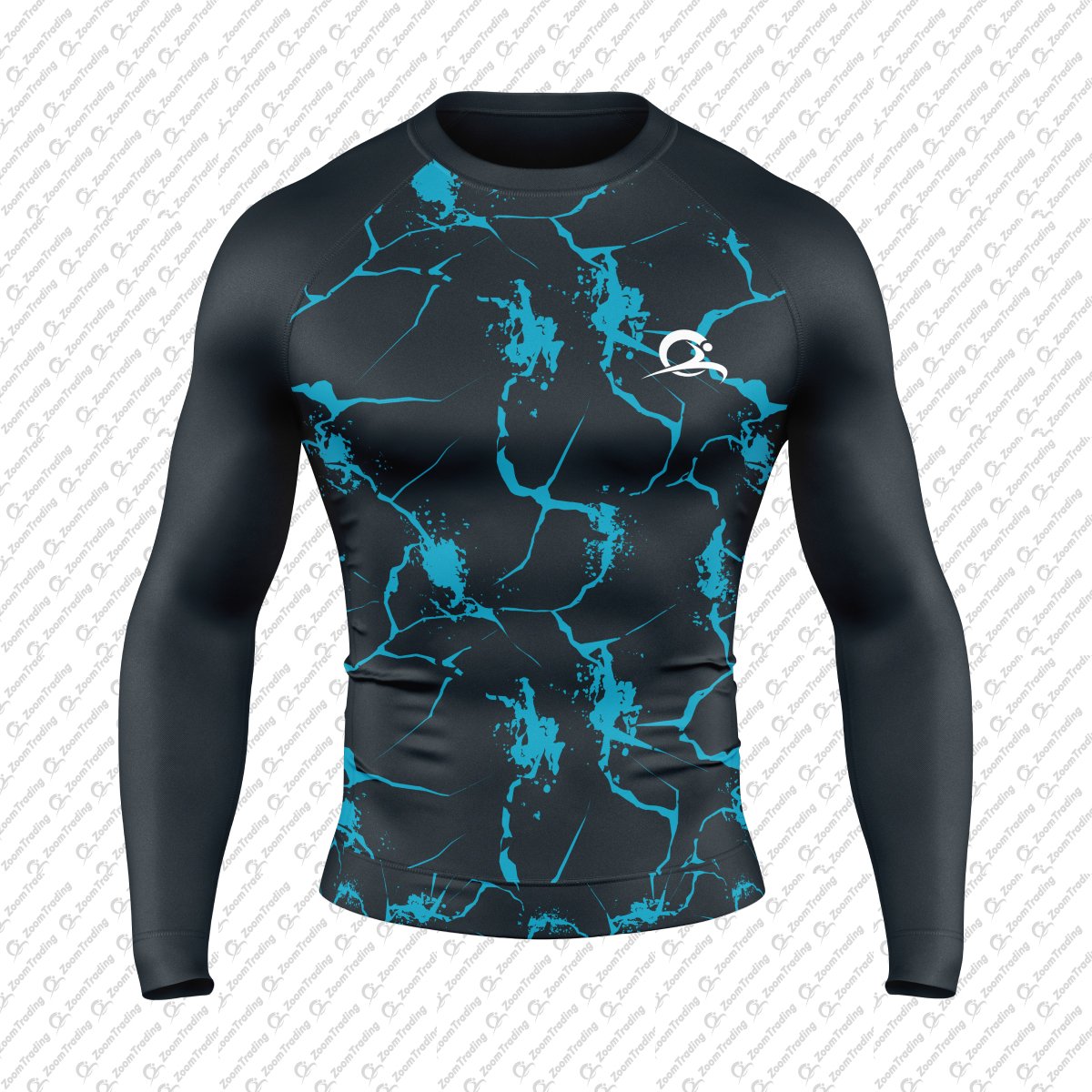
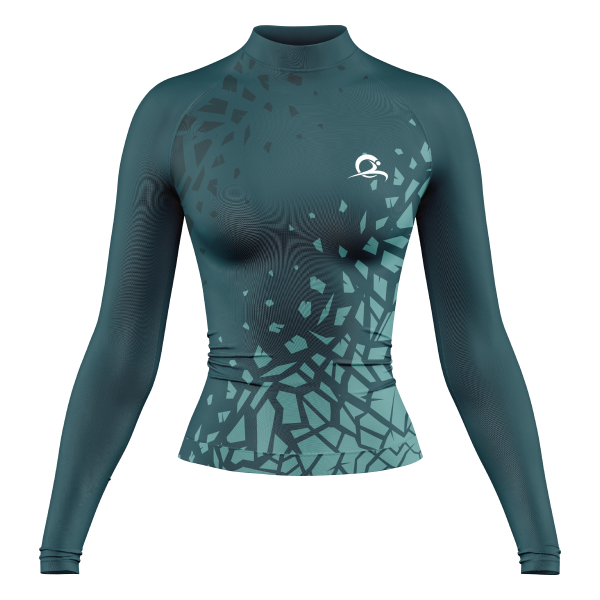
Share Your Compression Shirt Brief
Send the intended activity, wearer, measurement chart, fabric preference, and references. Include sleeve and neckline details, artwork, labels, and quantities. Explain what the sample needs to improve compared with your current fit.
Develop the Close Fit Through Sampling
The fabric and pattern should be reviewed together on the intended wearer.
1- Clarify the product requirements
Discuss the activity, coverage, wearing feel, and collection positioning. Define what your brand means by compression in the garment brief. We ensure a quick response: within 24 hours for inquiries received outside office hours and within an hour during office hours.
2- Set measurements and construction
Confirm body, sleeves, neckline, panels, and seams. Agree on the measurement method so sample feedback stays clear.
3- Review materials and quotation
Discuss stretch, recovery, surface feel, decoration, and labels. Pricing follows the approved construction and quantity breakdown.
4- Assess the sample in movement
Check reaching, body rotation, neckline comfort, sleeve position, and hem movement. Compare the result with your size chart. After the samples are produced, they are shipped to the customer via DHL and typically arrive within 2 to 3 working days. If there are any mistakes on our part, we will remake the sample based on the feedback and seek customer approval through an iterative process.
5- Approve the final garment details
Record measurement and seam changes. Confirm fabric, colors, artwork, and branding before approving the bulk specification.
6- Review sewing and decoration
Check panel alignment, seam finishing, neckline, hems, and logo placement against the agreed sample and artwork.
7- Prepare the finished order
Confirm size identification, packing, and shipping arrangements. Include any requirements for separating styles or team groups.
Flexible Compression Shirt Orders
We offer flexible quantities and pricing based on order volume. Fabric specification, panel construction, sleeve length, seams, and decoration also affect cost.
Send the breakdown by design, color, and size. Confirm the sample and bulk requirements with the quotation so the final order reflects the close-fitting shirt you intend to sell.
As per our company policy, there are no strict MOQ requirements. Customers can place orders in any quantity, whether 50, 100, or over 1,000 units.
Review Stretch and Recovery in the Garment
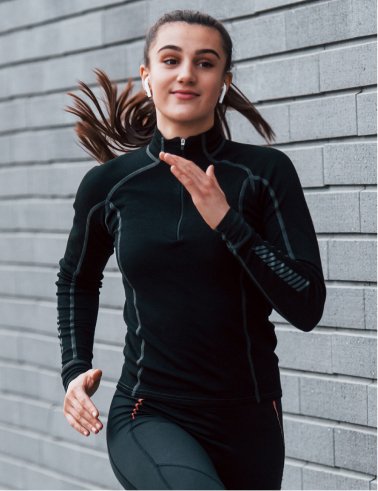
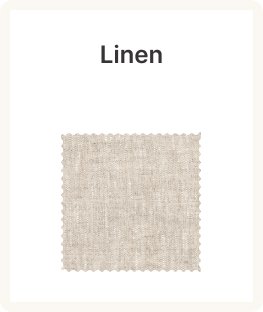
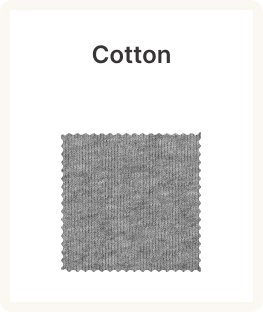
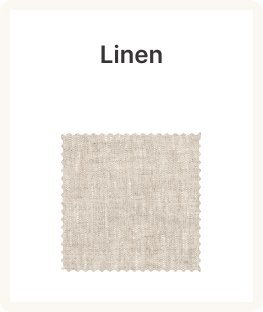
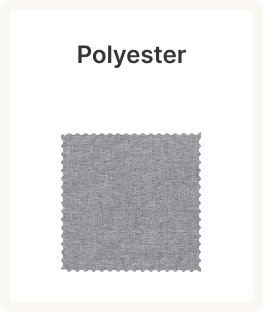
Our compression shirt material discussion includes polyester, nylon, spandex blends, and other fabric directions according to your brief. Composition is only part of the decision: recovery, surface feel, coverage, and fit all matter.
Review the proposed material in the sample during movement. Tell us whether the shirt is worn alone or as a base layer. Any medical rating or particular tested performance requirement needs separate discussion and confirmation.




Branding That Works on Stretch Fabric
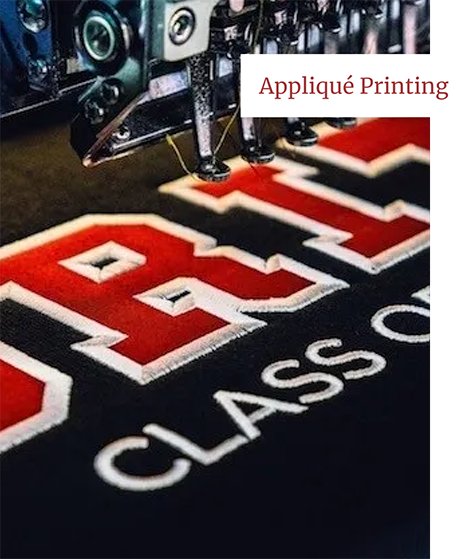
Place logos with the garment's tension and seam layout in mind. Send artwork and mark the chest, sleeve, back, or hem positions on a design drawing.
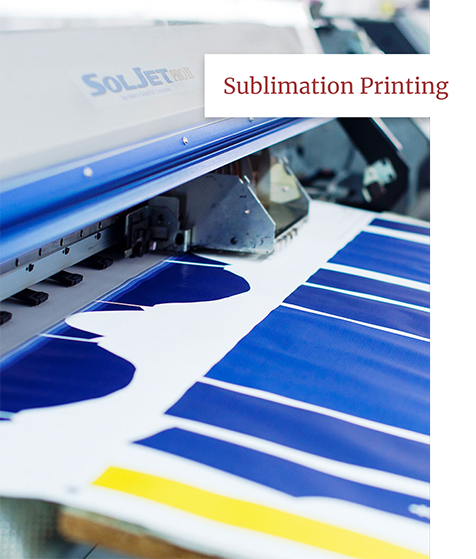
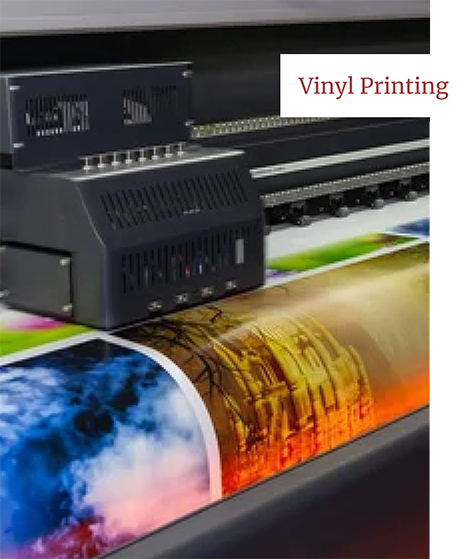
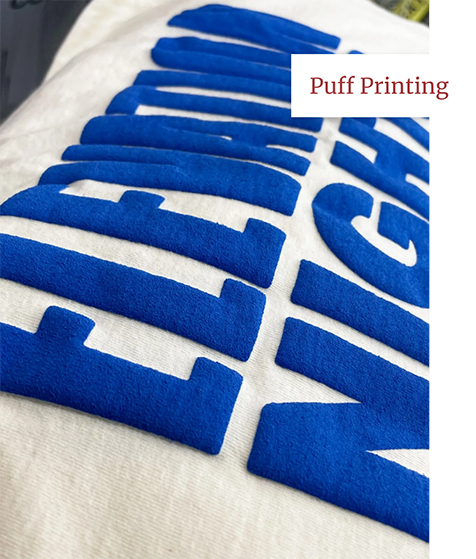
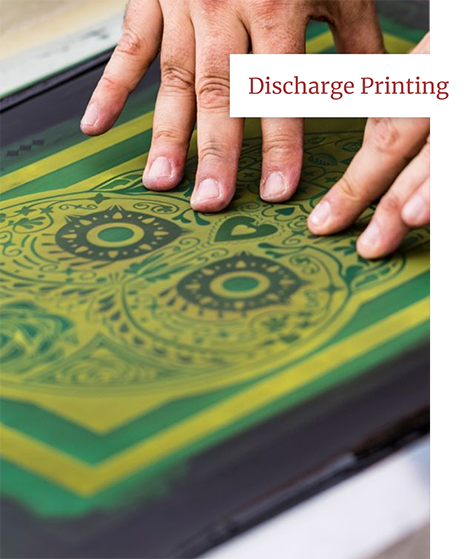
We will discuss suitable decoration methods against the selected material. Review the finish on the sample while it is worn, especially where the fabric stretches. Confirm artwork scale across sizes before production approval.




Private Labels for Close-Fitting Tops
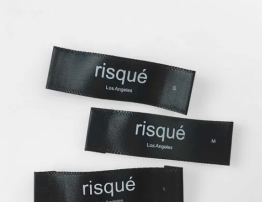
Brand labels, size information, and care details should suit a garment worn against the skin. Discuss positions and finishes alongside the neckline and seams.
Include your retail presentation and packing requirements. Tell us whether the shirts are for individual sale, team issue, or a coordinated activewear range so the identification and grouping match your needs.

Compression Shirt Development Questions
These points help establish a clear sample and production brief.
1- Can I use my own size chart?
Send measurements, reference points, and the intended stretch fit. We will discuss the pattern and assess the sample against that chart.
2- Can the shirt use different sleeve lengths?
Specify each version and its measurements. Include quantities separately so the development and quotation reflect every style.
3- Can I choose panel and seam positions?
Provide drawings showing the routes and contact areas you want reviewed. Discuss the construction alongside the fabric.
4- Does the shirt have a medical compression rating?
This brief concerns sportswear fit. A medical rating or specific measured compression requirement must be discussed and confirmed separately.
5- Can I review the logo finish first?
Include the artwork and placement in the sample brief. Assess the decoration on the proposed material before bulk approval.
6- What do you need for a quotation?
Send the design, measurements, materials, branding, quantities, and delivery destination. Include any sampling or tested performance requirements.
