
Custom Coats Built Around Your Collection
A coat has to work over the clothes your customer already wears. Tight shoulders, bulky sleeves, or a lining that catches can spoil an otherwise good design. Start with the intended fit and use, then build the details around them.
ZT Sportswear works with clothing brands and wholesale buyers on custom coat development. Send your reference, measurements, and branding requirements so we can discuss a coat that fits your collection.

Decide the Shape Before the Finishing Details
Tell us whether you want a clean everyday coat, a relaxed layering piece, or a structured silhouette. Body length, shoulder width, sleeve volume, and armhole shape should work together. A longer hem also needs enough room for walking and sitting.
Specify your collar, front fastening, pocket positions, and cuff treatment. If you have a reference garment, explain what you want to keep and what needs changing rather than relying on a photograph alone.

Coat Styles to Develop for Your Brand
Build your range around how and where the coat will be worn. Use these styles as a starting point for discussing construction and material availability.
- Everyday overcoats with a clean front, practical pockets, and space for layering.
- Longline coats with a considered hem opening and proportioned sleeve length.
- Relaxed casual coats with an easy shoulder and a less structured body.
- Short coats for collections that need outerwear with less coverage.
- Lined seasonal coats with coordinated internal finishing and brand details.
Send Us Your Coat Brief
Share your reference images, target customer, size chart, required quantities, and delivery destination. Include the intended season and whether the coat will be worn over knitwear. Those details help us discuss fit and materials before preparing your quotation.
From Coat Reference to Approved Production
Coat development needs clear decisions about both the outside appearance and the inside construction.
1- Review the intended use
We begin with the wearer, climate, layering needs, and selling position. Explain whether appearance, weight, or coverage is your main priority.
2- Develop the coat specification
Confirm the silhouette, garment measurements, seam positions, collar, closures, and pockets. We discuss how these details affect the construction.
3- Review materials and pricing
Choose the outer fabric, lining direction, trims, and branding. Your quotation is based on the agreed design and order requirements.
4- Check the sample fit
Review the coat over the intended layers. Check reaching, sitting, sleeve movement, and the way the front closes before approving the pattern.
5- Confirm the production details
Approve the sample, measurements, colors, labels, and quantity breakdown. Record any changes so the bulk order follows the agreed specification.
6- Review finishing and presentation
Check seam finishing, lining attachment, pocket access, fastening operation, and label placement against the approved details before packing.
7- Arrange packing and delivery
Confirm how sizes should be identified and packed, where the order is going, and the shipping arrangement discussed for your delivery.
Quote the Coat You Actually Need
Coat pricing depends on more than the number of pieces. Outer fabric, lining, closures, pocket construction, and internal finishing all affect the work involved.
Send your quantity by style, color, and size. We will discuss the applicable order requirements and pricing before you commit, including any differences between sampling and bulk production.
Choose the Outer Fabric and Lining Together
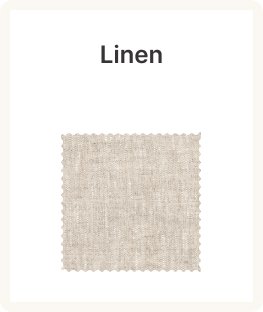
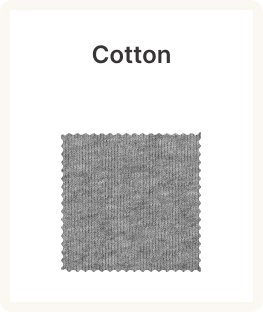
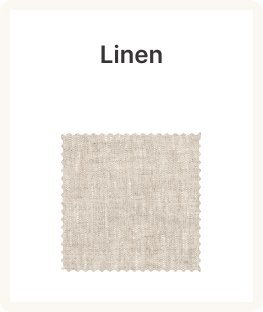
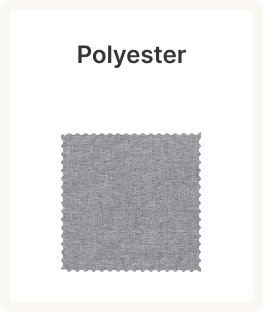
Start with the season, desired structure, and feel. A firmer woven fabric creates a different coat from a soft, draping material. The lining also changes how easily the garment moves over other clothing.
Discuss fabric composition, weight, surface texture, and care expectations with us. If warmth or weather performance matters to your range, describe the intended conditions so the proposed construction can be reviewed against that brief.




Branding That Suits the Coat Surface
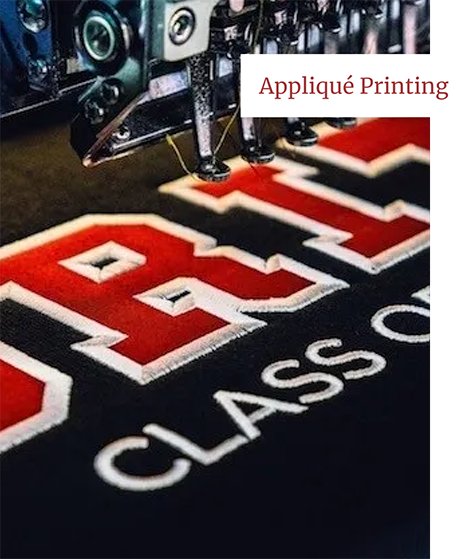
A coat does not need a large logo to carry your identity. Discuss chest embroidery, a sleeve badge, a discreet woven tab, or internal branding depending on the look you want.
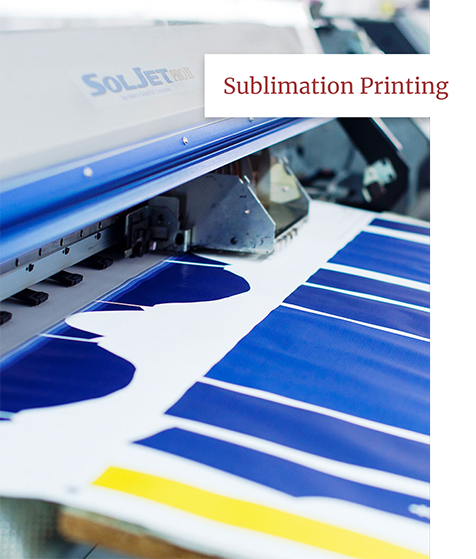
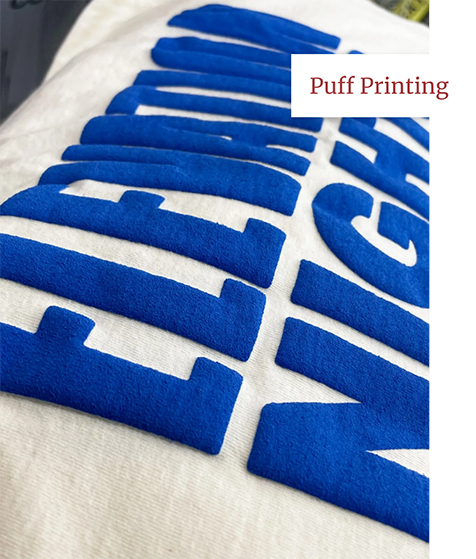
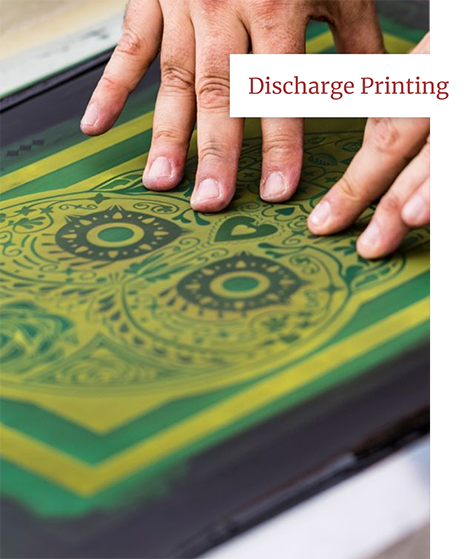
Decoration needs to suit the selected fabric and construction. Mark the placement on your artwork and review the finish on a sample, especially where lining, pockets, or seams limit access.





Private Labels and Packing for Your Coat Range
Plan your neck label, size identification, care information, and hang tags alongside the coat design. Label positions should be comfortable and accessible without interrupting the internal finishing.
Tell us whether the order is for retail stock, wholesale distribution, or a direct brand launch. We can discuss packing and size identification around that requirement rather than treating presentation as an afterthought.

Questions About Custom Coat Orders
These are useful points to settle before moving from an initial idea to a coat sample.
1- Can you work from an existing coat?
Send photographs and explain which proportions or details you want to change. A reference is useful, but garment measurements make the brief clearer.
2- How much room should the coat allow?
That depends on the intended fit and layers underneath. Tell us what the customer will wear below it and review the sample accordingly.
3- Can the lining match my brand colors?
Include your preferred lining color and finish in the brief. We will discuss material availability and confirm the selected option during development.
4- Where can I position my logo?
Share the artwork and proposed position. We will review it against seams, pockets, lining access, and the chosen decoration method.
5- What determines the order quantity and price?
The fabric, trims, construction, color breakdown, and total quantity all matter. Your quotation will identify the requirements for the proposed coat.
6- What should I check before approving a sample?
Check fit over layers, sleeve reach, fastening, pocket access, lining movement, and finish. Confirm your measurements and any changes in writing.
