
Custom Compression Leggings Built Around Your Fit Brief
Close-fitting leggings need more than a stretchy fabric. Waistband tension, panel shape, seam placement, and recovery all affect how they feel during movement. Define the intended fit before choosing the visual details.
ZT Sportswear works with activewear brands on custom compression leggings. Share your target wearer, activity, size chart, and reference garment so we can discuss the construction. Describe the fit you want without relying on a general compression label alone.

Map the Waistband, Gusset, and Panels
Specify the rise, waist, hip, thigh, inseam, and ankle opening. Mark the measurement method and explain the intended stretch fit. The waistband should work with the main fabric rather than being selected separately.
Show the gusset, panel seams, pocket positions, and hem. If you want a seam moved away from a contact area, mark that clearly. Use the sample to review bending, squatting, and stride movement against your brief.
Compression Legging Styles to Discuss
Choose the lengths and constructions your customers need. Review the fabric and fit requirements for each version.
- Full-length leggings with a defined rise, ankle opening, and close body fit.
- Cropped leggings with a shorter leg and a carefully positioned hem.
- High-waist leggings with a deeper waistband and planned waist support.
- Pocket leggings with storage positioned around the panel and movement requirements.
- Panelled training leggings with seam placement developed around your design and fit brief.
Share Your Legging Specification
Send your measurements, reference images, intended activity, and preferred fabric feel. Include waistband and pocket details, artwork, and quantities by size and color. Explain the fit issues you want the development sample to address.
Check Movement Before Approving the Order
The pattern, fabric, and seams should be assessed together through your sample review.
1- Define the intended wearer
Explain the activity, fit preference, coverage, and collection positioning. We discuss the meaning of your compression brief before development.
2- Confirm the measurements and panels
Agree on rise, waistband, leg shape, gusset, pockets, and seam routes. Identify measurement points so fit feedback stays precise.
3- Review fabric and quotation
Discuss stretch, recovery, surface feel, trims, and branding. Pricing reflects the agreed construction and order quantities.
4- Evaluate the sample in movement
Check waistband behavior, coverage, seam comfort, and leg fit through relevant movements. Compare the result with your size chart.
5- Approve the final specification
Record measurement and construction changes. Confirm material, color, decoration, and labels before the bulk order is finalized.
6- Review seams and finishing
Check panel alignment, waistband attachment, hems, pocket finishing, and artwork position against the approved sample and measurements.
7- Prepare the finished order
Agree on size identification, folding, and packaging. Confirm delivery details and the shipping arrangement for your range.
Quantities and Pricing for Your Legging Design
Fabric specification, panel count, waistband construction, pockets, and decoration affect the quotation. Provide the complete design rather than only the product name.
We will discuss applicable order quantities and pricing for your style and color breakdown. Confirm sampling and bulk arrangements before approval so the requirements are clear for the collection you want to produce.
Review Stretch, Recovery, and Coverage
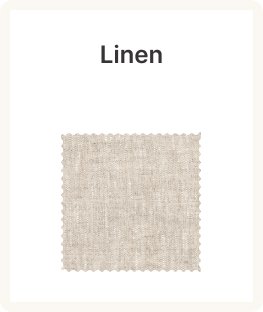
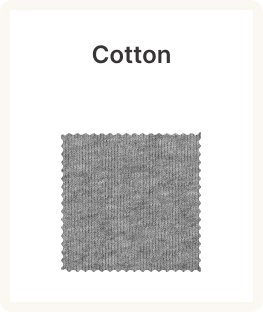
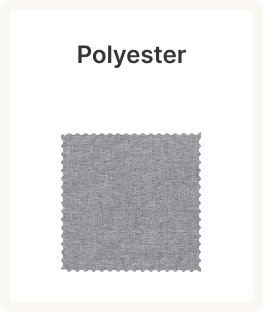
Discuss the intended wearing feel and the amount of stretch the design needs. Recovery, surface feel, and opacity matter alongside fabric composition. A material should be assessed in the garment, not only as a swatch.
Tell us how the leggings will be worn and cared for. Review coverage under movement and the interaction between the fabric, waistband, and seams during sample evaluation.




Branding for Stretch Garments
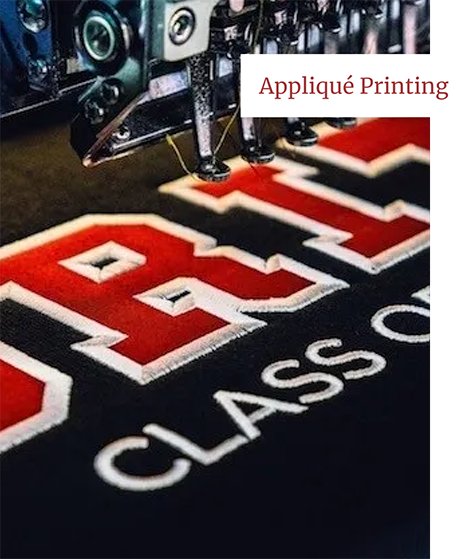
A logo on a legging needs to suit the fabric and the way that area stretches. Send the artwork, desired finish, and placement relative to seams and pockets.
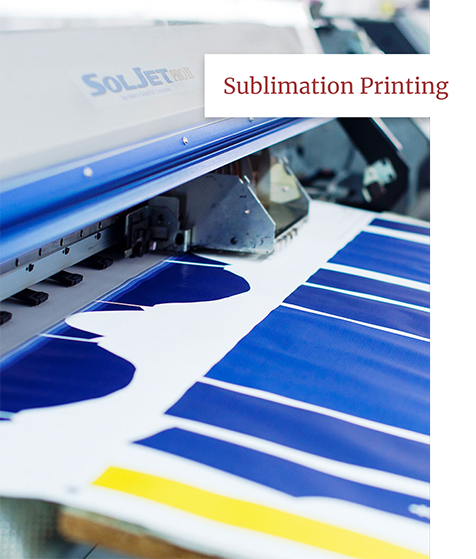
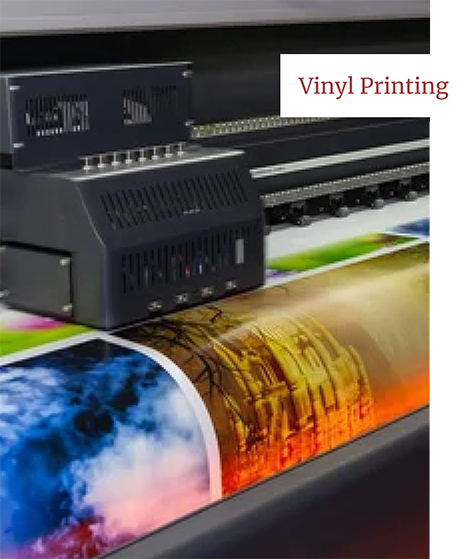
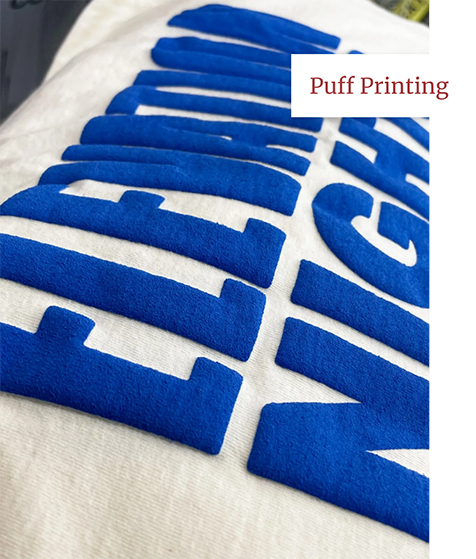
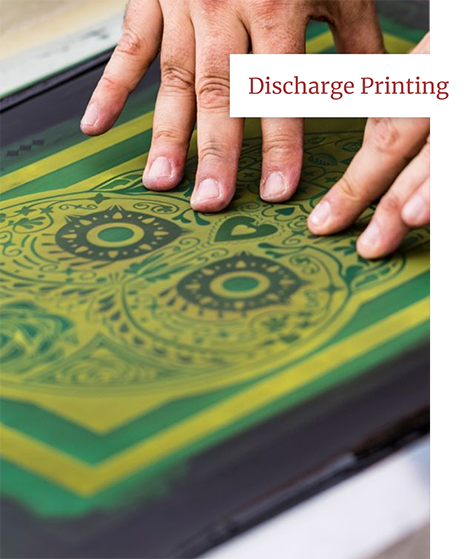
We will discuss suitable decoration methods for the selected material. Review the finish on the sample under the intended movement and fit conditions. Keep small details readable without crowding the panels.




Private Labels Without Unnecessary Discomfort
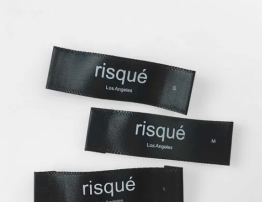
Plan brand labels, size identification, and care information around a close-fitting garment. Placement should work with the waistband and seam construction.
Include your packing format and product identification requirements. Tell us whether colors or sizes need to be grouped separately so the finished order supports your stock handling and retail presentation.

Compression Legging Questions
These questions cover the main decisions for your development brief.
1- Can you develop leggings from my size chart?
Send the chart with measurement points and your reference fit. We will discuss the pattern and sample against those requirements.
2- Can I choose the waistband height?
Specify the height, construction, and intended waist position. Review how it works with the body fabric during sample assessment.
3- How should I choose the fabric?
Describe the activity, stretch, recovery, coverage, and surface feel you need. Assess the selected material in the development garment.
4- Can I add pockets?
Include dimensions and placement drawings. We will discuss how the pocket integrates with the panels and intended movement.
5- Do these leggings have a medical compression rating?
This development brief concerns sportswear fit. Any particular compression rating or tested performance requirement must be discussed and confirmed separately.
6- What information is needed for a quotation?
Send the design, size chart, fabric direction, branding, and quantities by color and size. Include your destination and sample requirements.
